


A Change of Season Calls for a Change of Pace
There is a persistent piece of mythology attached to summer: that months of sunshine amount to a kind of factory reset. Warm evenings, long days, actual time off, and you're meant to arrive back at your desk in September gleaming, restored, and mysteriously enthusiastic about buying stationery. Strange, then, how many people turn up at the school gates or the office in early September looking less like someone who's had a holiday and more like someone who has recently survived one.
Here's what the postcards leave out: summer is hard work. Travel, kids, and back-to-back heatwaves take their toll, and the body keeps a remarkably accurate record of it.
 What Summer Actually Asks Of You
Travel alone is a small ordeal dressed up as a treat: different beds, different time zones, crowds, flights that dehydrate you to your core and airports at unreasonable hours. Heat is its own physiological demand, and warm nights are notoriously bad for sleep, no matter how good the mattress.
Food changes too. Later dinners, more alcohol, holiday portions that seemed entirely sensible in the moment but leave your gut in a rut. Add more activity than usual (walking round cities, swimming, chasing children round a campsite), more socialising than usual, and the particular tiredness of being ‘on’ for other people almost constantly, and you have three months in which the body has been asked to do quite a lot while being told, repeatedly, how relaxing it all is.
Suddenly, September
September doesn't ease you in. One week you're deciding whether it's a beach day or a pool day; the next you're back to alarms, school runs, meetings that start before your brain has fully agreed to be present, and a general expectation that you will now concentrate, organise, and be reliably on time for things.
Autumn isn't expecting anything unreasonable. It's simply asking for a completely different kind of energy, and asking for you to flip a switch more or less overnight.
 An Older Way Of Looking At This
Long before anyone was measuring cortisol or ATP, Chinese medicine was taking the seasons seriously, not as scenery, but as instruction. Each one, it held, asks something different of us: different habits, different food, different rhythms of activity, all shifting with the environment rather than staying stubbornly the same all year round.
Summer is the season of outward expansion, of activity and heat and going out into the world. Autumn turns the dial the other way: a time to gather, to conserve, to draw inward and ready ourselves for the colder months ahead. Food followed the same logic: what you ate shifted with the seasons, matching what the body needed as the year turned.1
You don’t have to be fully subscribed to traditional Chinese medicine to find the concept useful. You only have to notice that your body already does.
Modern life tends to ask us to behave as though seasons are largely decorative. We change our clothes and our home decor, perhaps, but not much else. Our working day remains the same. Our screens remain the same. Our expectations of productivity and general output remain the same.
Our bodies, inconveniently, are not quite so accommodating.
The Modern Answer To An Old Question
This is where the usual language of detoxes and resets starts to look rather unnecessary. You don’t need to undo your summer. You may simply need to support the return to a busier routine.
That is the useful part of the seasonal idea, whether or not you believe in qi, the vital energy that Chinese medicine says moves through the body.
Strip away the ancient terminology and the practical question remains surprisingly familiar: when the demands on your body change, what does it make sense to give it more of? Modern nutritional science asks much the same question, although it prefers ATP to qi and tends to require rather more paperwork before reaching a conclusion.
In September, two answers stand out, not because they are fashionable, but because they correspond rather neatly to what the season is asking of you: creatine for sustained energy and concentration, and collagen, with vitamin C and gut support, for the ongoing work of repair.
None of this is a reset. It is simply a matter of supplying the body with the materials it needs when the calendar changes faster than your habits do.
 Creatine, And Not Just For The Gym
Creatine's reputation is mostly built on gym floors, which undersells it slightly.
Inside cells, creatine works through the phosphocreatine system, a kind of rapid-reserve energy supply that regenerates ATP, the molecule your cells actually run on, whenever demand for energy rises quickly.2 It's one of the most extensively researched compounds in sports nutrition, and the evidence for its role in energy production and muscle function is solidly supported.2
What's less well known is the growing interest in creatine and the brain, itself a famously energy-hungry organ, particularly under demands like concentration and problem-solving.
Scientists have, predictably, had a go at measuring it. And this is where things get interesting.
A 2024 randomised, placebo-controlled study found that a high single dose of creatine during sleep deprivation altered measures of high-energy phosphates in the brain and improved aspects of cognitive performance and processing speed.3
The study was small and looked at a very specific situation, so nobody is claiming creatine turns September into a superpower, but it does offer an intriguing glimpse into what creatine may be doing when the brain's energy demands rise.3
How To Take It
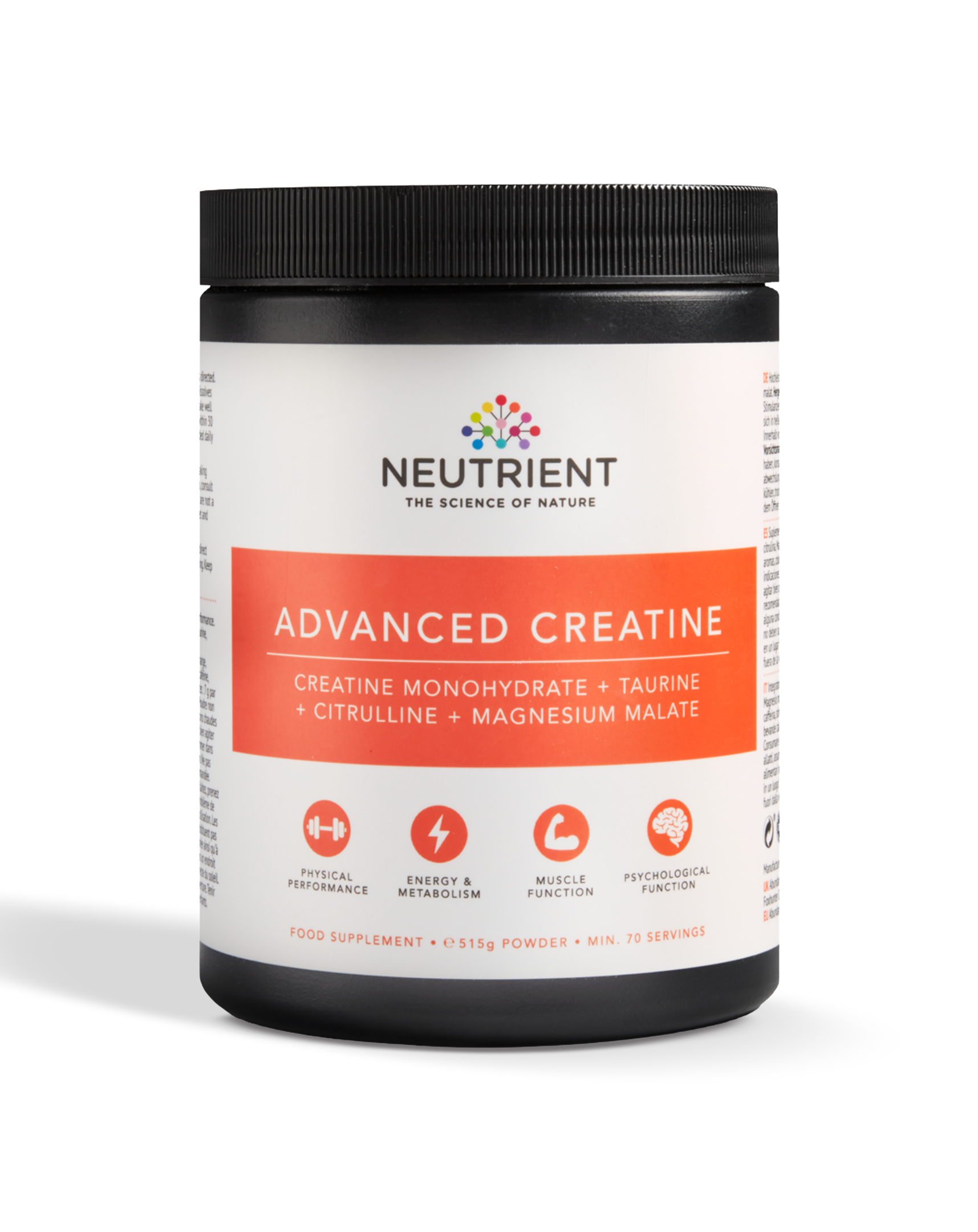
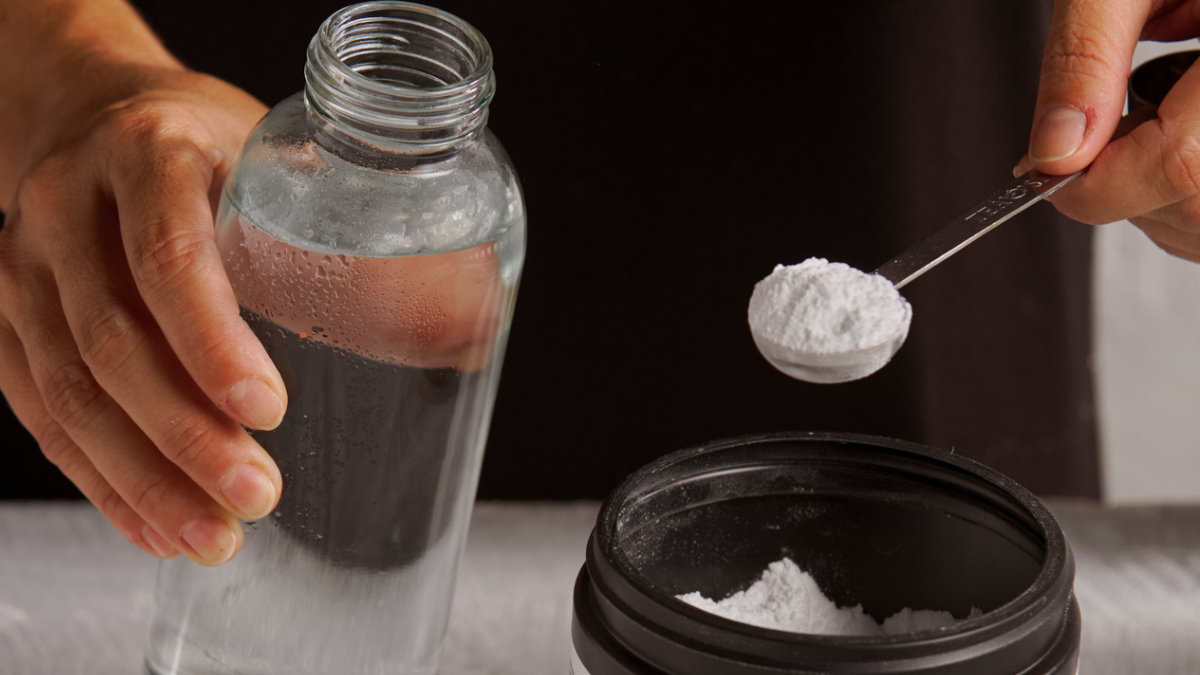
Neutrient Advanced Creatine keeps this simple: five grams of creatine monohydrate per scoop, alongside citrulline malate, taurine and magnesium malate, unflavoured enough to disappear into a morning coffee or a glass of water without any ceremony required.
One scoop, once a day, and you've covered a nutrient most people only think about at the gym, at a time of year when the brain could use the support just as much as the body does.
 Collagen, The Scaffolding You Don't See
Summer has its own particular effect on skin.
There has been sunshine. There has been swimming. There has been heat, perhaps more time outdoors and possibly a little less water than you intended to drink. None of this means your skin has been ruined. Skin is remarkably good at getting on with its job.
And this is largely thanks to collagen, the structural protein holding skin, joints and connective tissue together, which is in constant turnover: broken down and rebuilt continuously, whatever the season.
Why Autumn Tips the Balance
What changes in autumn isn't collagen's importance, which never wavers, but the fact that a demanding summer, sun exposure, heat, disrupted sleep, richer food, tends to tip that balance slightly further towards breakdown than restoration.
Rebuilding collagen properly depends on vitamin C, which isn't a nice-to-have alongside collagen but a genuine technical requirement: the enzymes responsible for stabilising collagen's structure can’t do their job properly without it.4
The Gut Connection
There's also a less obvious piece of the puzzle: gut health. Emerging research into the gut-skin axis suggests the balance of bacteria in the gut has a real, if still-being-mapped, relationship with skin's condition, partly through immune signalling and partly through the metabolites those bacteria produce.5
A body under strain in one place, in this case a gut that's had a demanding few months of rich food and holiday drinking, rarely does its best work everywhere else either.
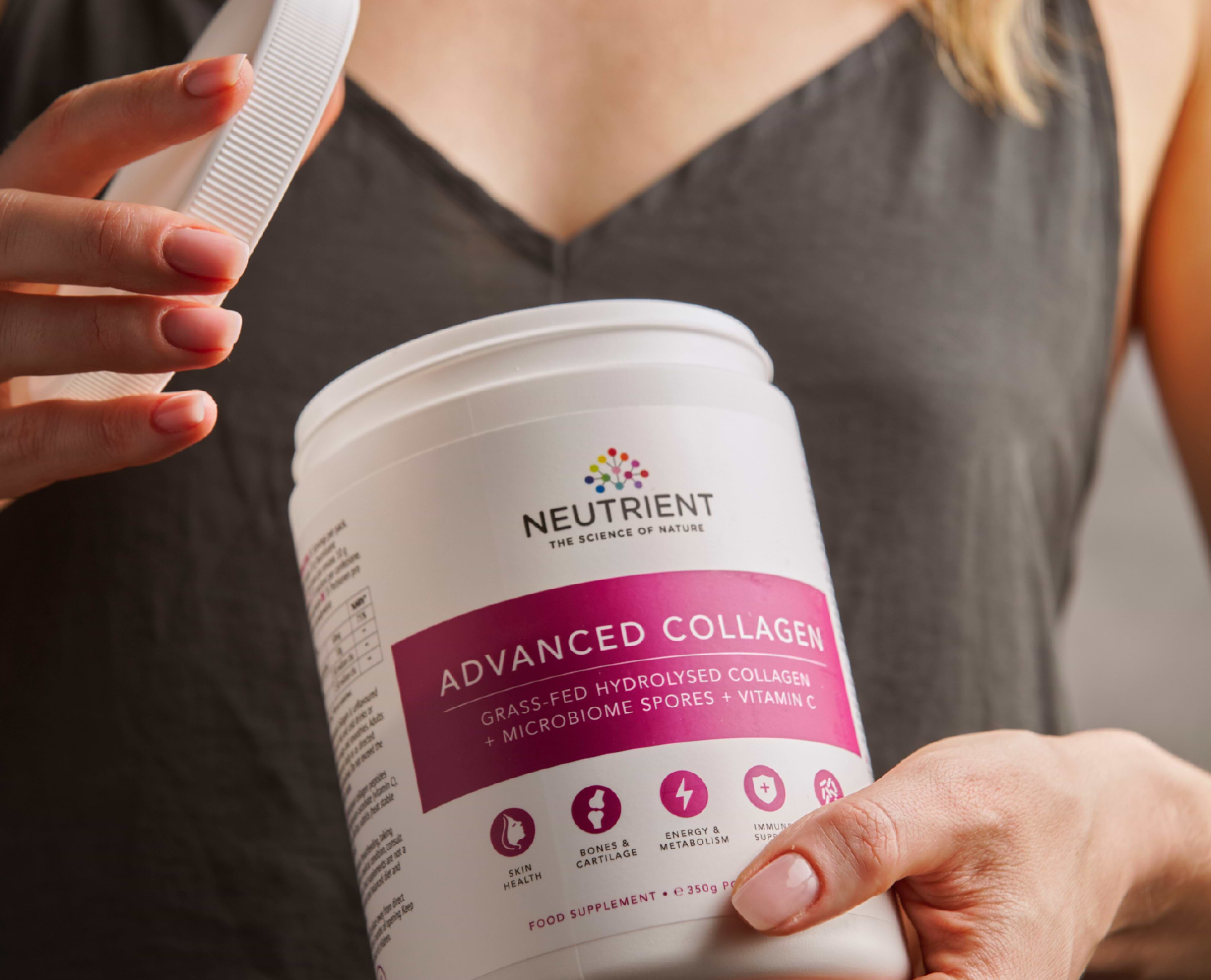
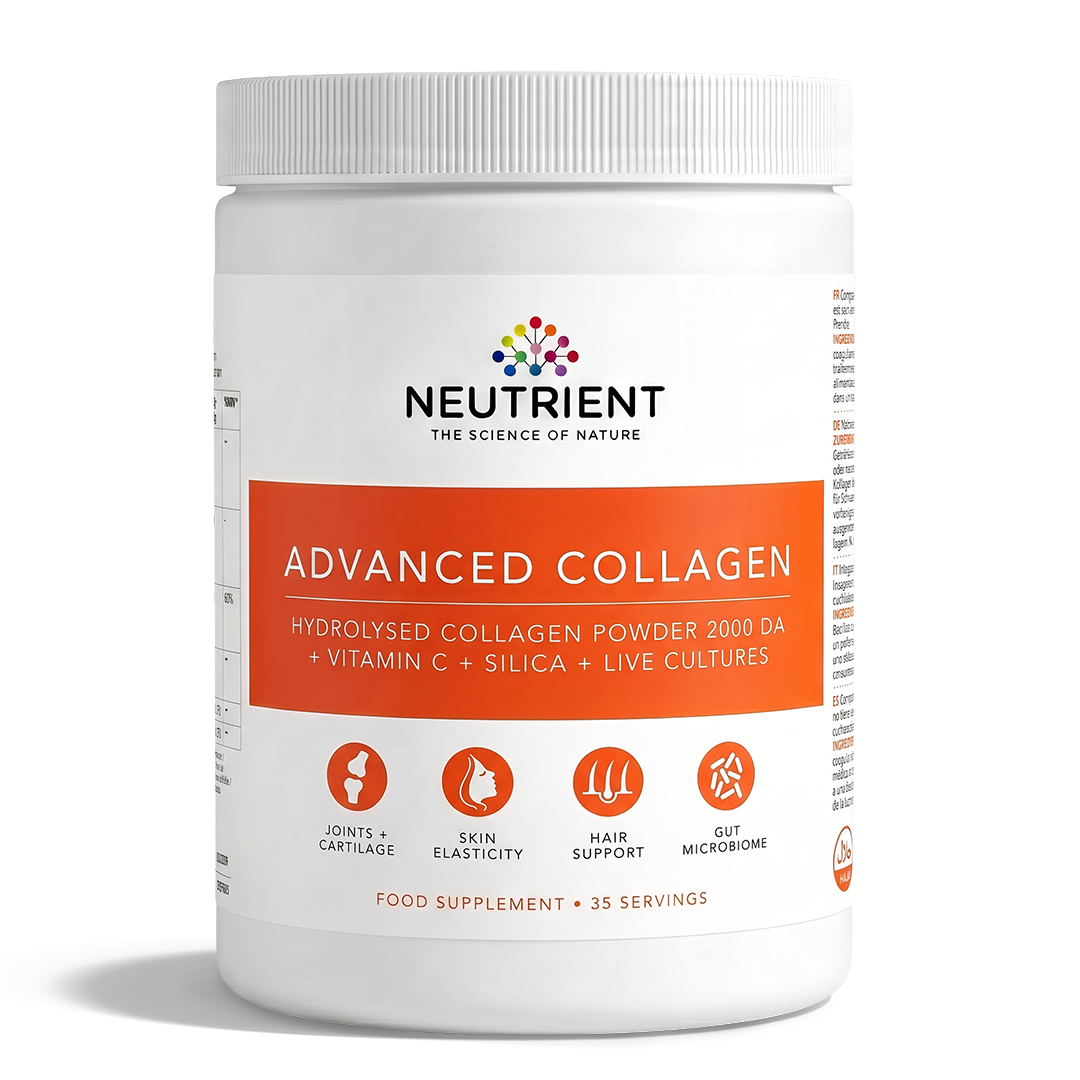
Neutrient Advanced Collagen was built around that whole picture rather than just the first half of it. It doesn’t just stop at collagen peptides and vitamin C. It also includes live cultures, chosen because their spores survive stomach acid well enough to actually reach the gut alive. And it uses more than one strain, deliberately, because a single strain can only do a single job.
A multi-strain formula brings a wider mix of bacteria to the party, and each one contributes its own metabolites and immune signals that the skin actually picks up on. A more diverse community is generally thought to offer more complete support, which is just what the gut-skin axis relies on.
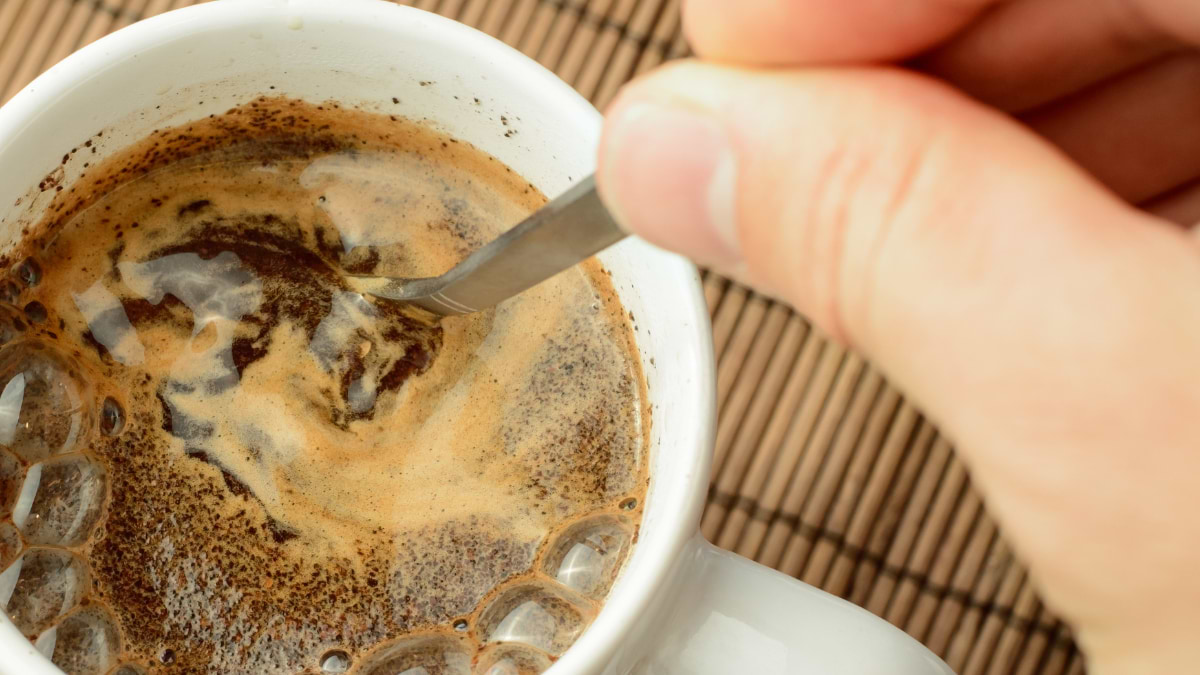
Stir it into your morning coffee alongside the creatine and you've killed two birds with one stone: two habits handled in one cup, and you can get on with your day without giving either of them another thought.
Not A Detox. Not A Punishment. No New You Required
There is something slightly exhausting about the modern obsession with fresh starts.
New year. New month. New routine. New body. New version of yourself, preferably by Monday. As though enjoying a holiday were something to make up for! Nobody needs a juice cleanse for having had a nice time in July.
What the body actually needs, as the season turns and the demands on it change shape, is fairly modest: a bit more support for energy and focus, a bit more of what collagen needs to rebuild properly, a diet that supports the gut and, occasionally, it needs you to go to bed rather than deciding that midnight is an excellent time to reorganise the kitchen.
September isn't a fresh start. Nothing resets just because the calendar flips a page. It's simply a change of season, and seasons, as it turns out, are rather good at telling you exactly what they need. The trick is to pay attention.
Written by: Jacqueline Newson BSc (Hons) Nutritional Therapy
References
- Wu Q, Liang X. Food therapy and medical diet therapy of Traditional Chinese Medicine. Clinical Nutrition Experimental. 2018;18(C):1-5.
- Kreider RB, Kalman DS, Antonio J, Ziegenfuss TN, Wildman R, Collins R, Candow DG, Kleiner SM, Almada AL, Lopez HL. International Society of Sports Nutrition position stand: safety and efficacy of creatine supplementation in exercise, sport, and medicine. Journal of the International Society of Sports Nutrition. 2017;14:18.
- Gordji-Nejad A, Matusch A, Kleedörfer S, Patel HJ, Drzezga A, Elmenhorst D, Binkofski F, Bauer A. Single dose creatine improves cognitive performance and induces changes in cerebral high energy phosphates during sleep deprivation. Scientific Reports. 2024;14:4937.
- Pullar JM, Carr AC, Vissers MCM. The roles of vitamin C in skin health. Nutrients. 2017;9(8):866.
- Gao T, Wang X, Li Y, Ren F. The role of probiotics in skin health and related gut-skin axis: a review. Nutrients. 2023;15(14):3123.
Read more

There is a particular sound that September makes. It's the sound of a thousand fresh notebooks opening at once, of gym memberships being dusted off, of someone somewhere throwing every product off ...

The market for collagen supplements has exploded over recent years, growing from a niche beauty trend into a staple of modern nutrition. With hundreds of powders, liquids and capsules claiming to t...