
Collagen and Creatine for Menopause: Supporting Healthspan from Skin to Strength
Menopause has a way of making you notice parts of your body you previously took for granted.
Skin may feel drier or less firm. Joints can become less forgiving. Muscle strength may not be quite what it was. Then there is the mental side of things: the forgotten word, the lost train of thought, the feeling that your brain has temporarily misplaced the filing cabinet.
Some of these changes are linked to falling oestrogen, while others reflect the normal ageing process that happens alongside menopause. Either way, it is a useful reminder that healthy ageing is about much more than how you look. It's about the body you live in and what that body can continue to do.
This is where two very different nutrients, collagen and creatine, may complement each other. One is closely associated with the body's structural tissues. The other is involved in supplying energy to cells, including muscle and brain cells.
Menopause changes more than hormones
Oestrogen receptors are found throughout the body, so the effects of changing hormone levels are not limited to hot flushes and periods.
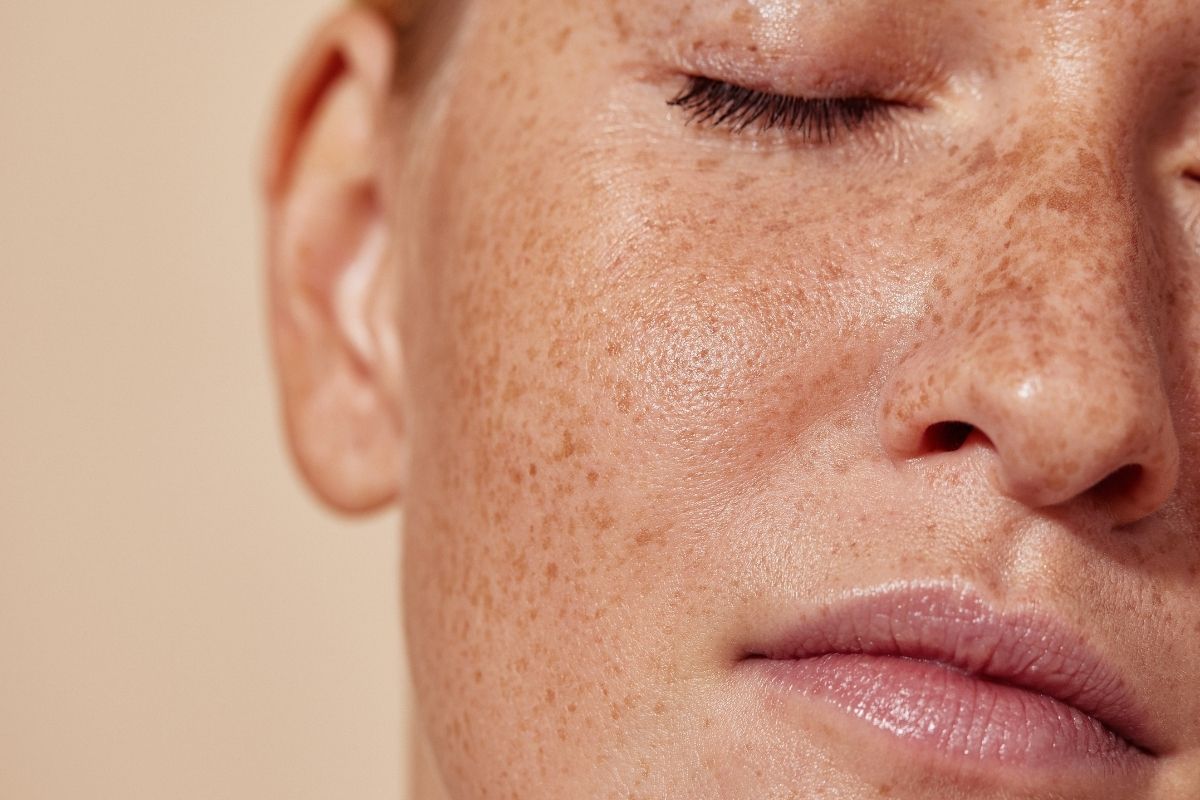
The skin is particularly sensitive to falling oestrogen. Research has linked menopause with changes in collagen content, skin thickness, elasticity and moisture. Collagen is also an important structural protein in connective tissues, including tendons, ligaments, cartilage and bone.1
At the same time, the menopause transition is associated with changes in body composition, including a tendency towards lower muscle mass and strength.2
Cognitive symptoms can also start appearing. Difficulty concentrating and the much-mentioned phenomenon of “brain fog” are commonly reported during the menopausal transition, although the evidence for measurable long-term cognitive decline is not so clear.3
So perhaps it is useful to think about menopause in two broad dimensions: structure and function.
Collagen: supporting the body's structure
Collagen is the most abundant protein in the human body. It provides a framework for skin and connective tissues, helping give them strength and structure.
As oestrogen levels fall around menopause, collagen turnover changes. This is one reason skin can become thinner, drier and less elastic. It is also why interest in collagen during and after menopause extends beyond wrinkles and appearance.
Oral collagen supplements provide peptides containing amino acids that can be absorbed and used by the body. Human studies have found potential improvements in measures such as skin hydration and elasticity, although the quality of the research is mixed and results are not universally consistent.4
There is also research into collagen peptides and musculoskeletal health, including joints and connective tissue. Again, this is an area where the evidence is promising but still developing rather than providing a simple answer for everyone.
For anyone thinking about collagen, it is therefore worth looking beyond the bathroom mirror. Skin may be the most visible example, but collagen is part of the wider structural framework that helps hold the body together.
Where Advanced Collagen fits
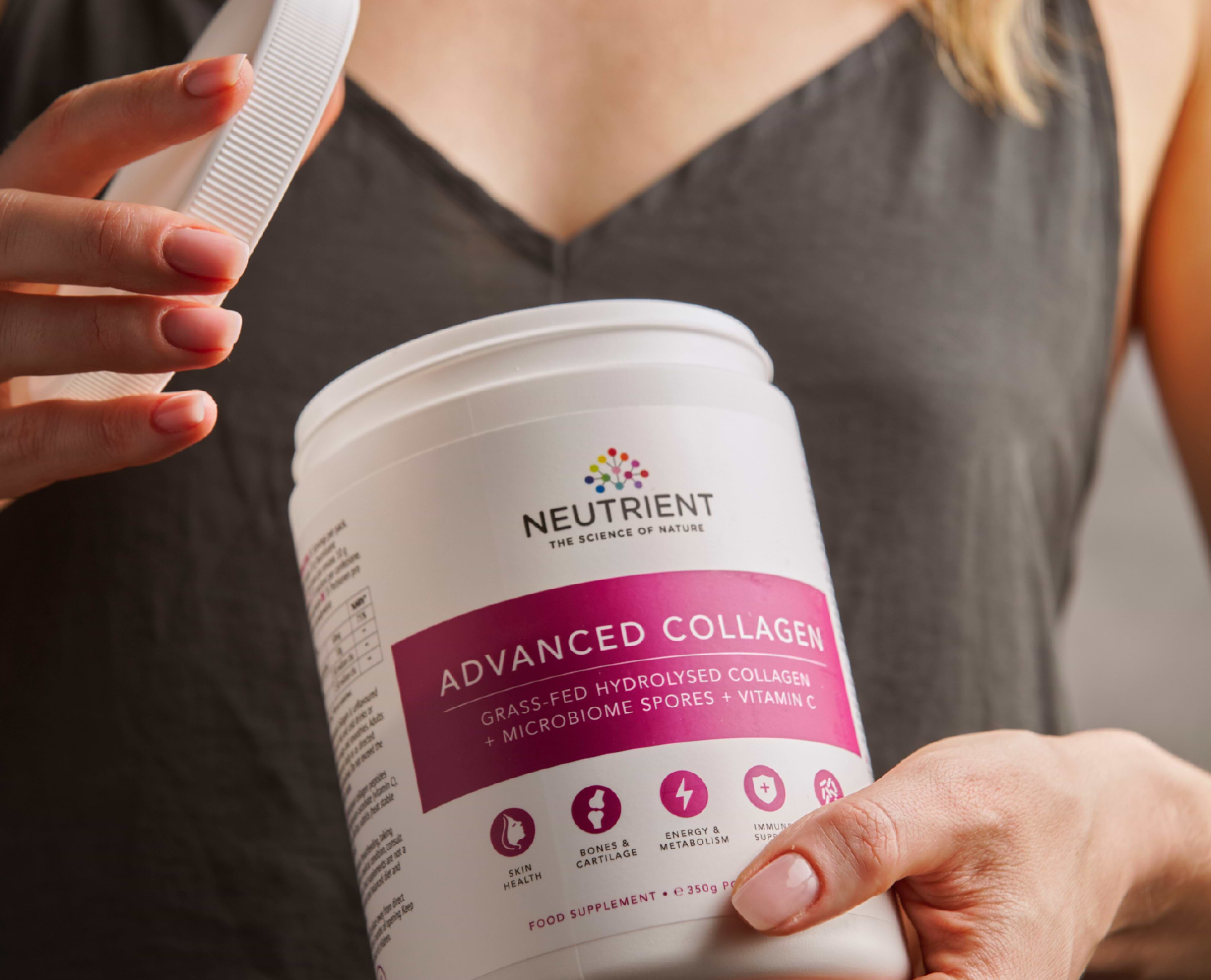
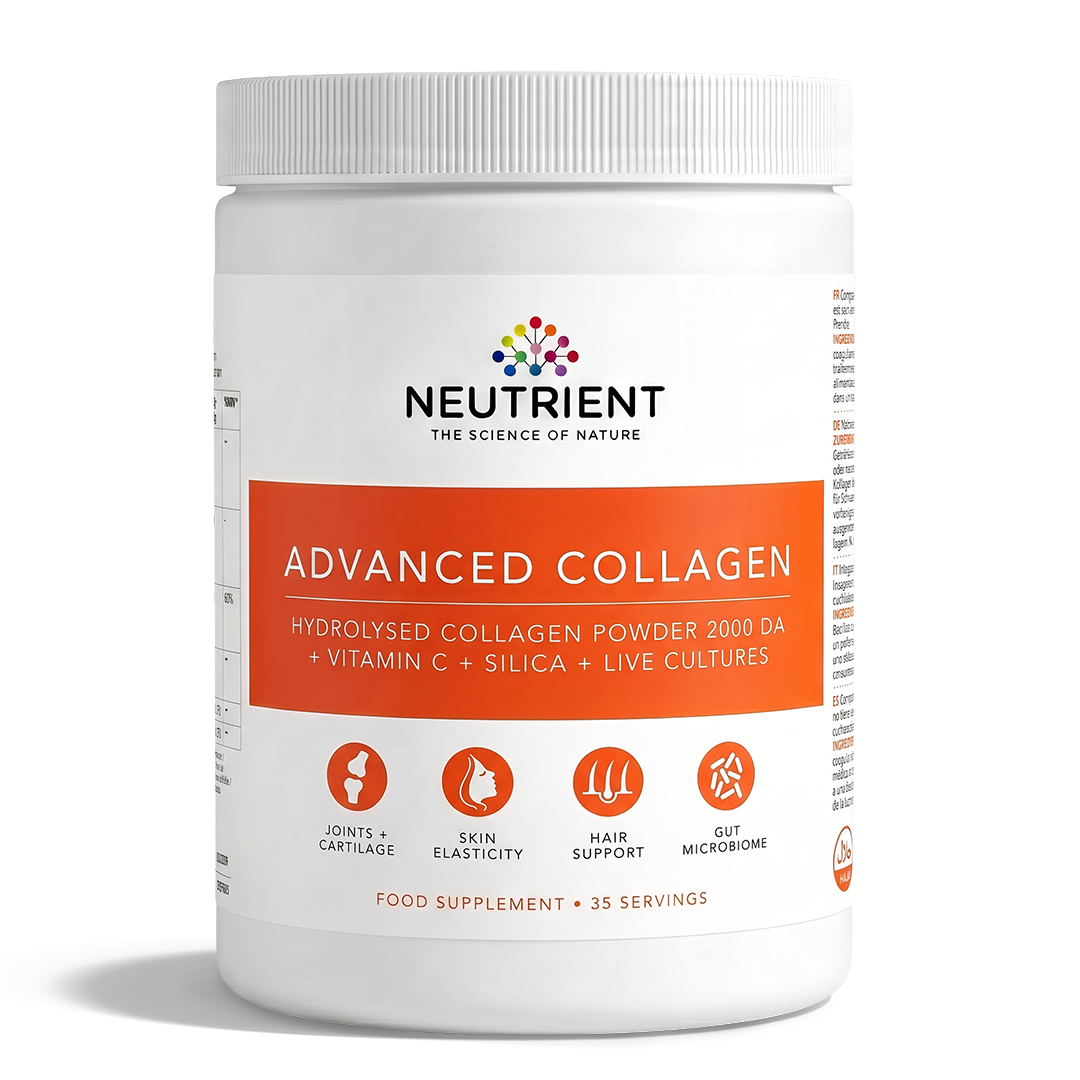
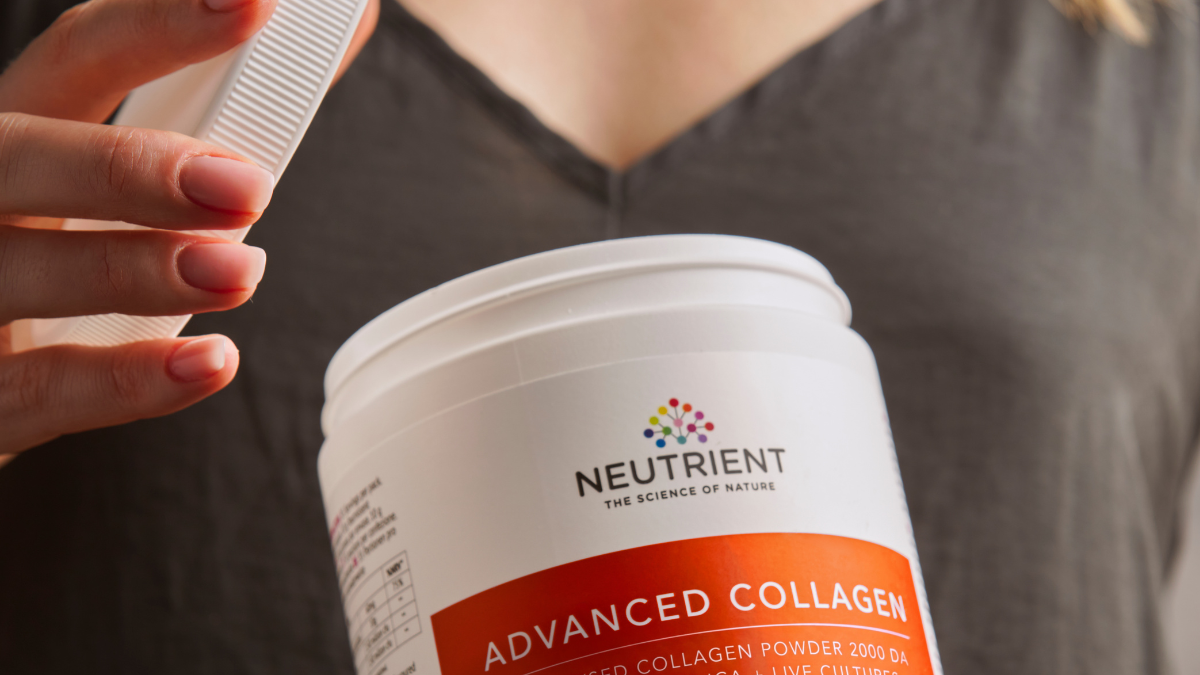
Neutrient Advanced Collagen combines collagen peptides with vitamin C, silicon and two spore-forming bacterial strains.
The collagen provides the main structural component. Vitamin C has a recognised role in normal collagen formation, while silicon is naturally present in connective tissues and is being investigated for its role in connective tissue biology.
The idea is straightforward: provide the building material alongside nutrients involved in the processes that use it. It is not about trying to turn back the clock. It is about giving the body's structural tissues nutritional support as they move through a period of change.
Creatine: supporting the body's energy supply
Collagen and creatine could hardly be more different.
Creatine is not a structural protein. It is a compound stored largely in skeletal muscle, where it helps regenerate ATP, the body's immediate energy currency. The brain also contains creatine and has a substantial energy requirement.
This makes creatine particularly interesting in terms of maintaining physical capability as we get older. Muscle mass and strength tend to decline with age, and the menopause transition can contribute to these changes.
Resistance training remains one of the most useful tools for maintaining muscle, but nutrition matters too. Recent research in postmenopausal women found that creatine supplementation, particularly when combined with resistance training, was associated with small increases in lean mass and strength.5
The cognitive picture is more complicated. Some research suggests creatine may support aspects of memory and attention, but studies have not consistently found improvements across all measures of cognitive function.6 That makes “brain fog cure” a considerable leap beyond the evidence.
A more sensible way to view creatine is as part of the body's energy system, with potential relevance to both physical performance and brain function.
Where Advanced Creatine fits
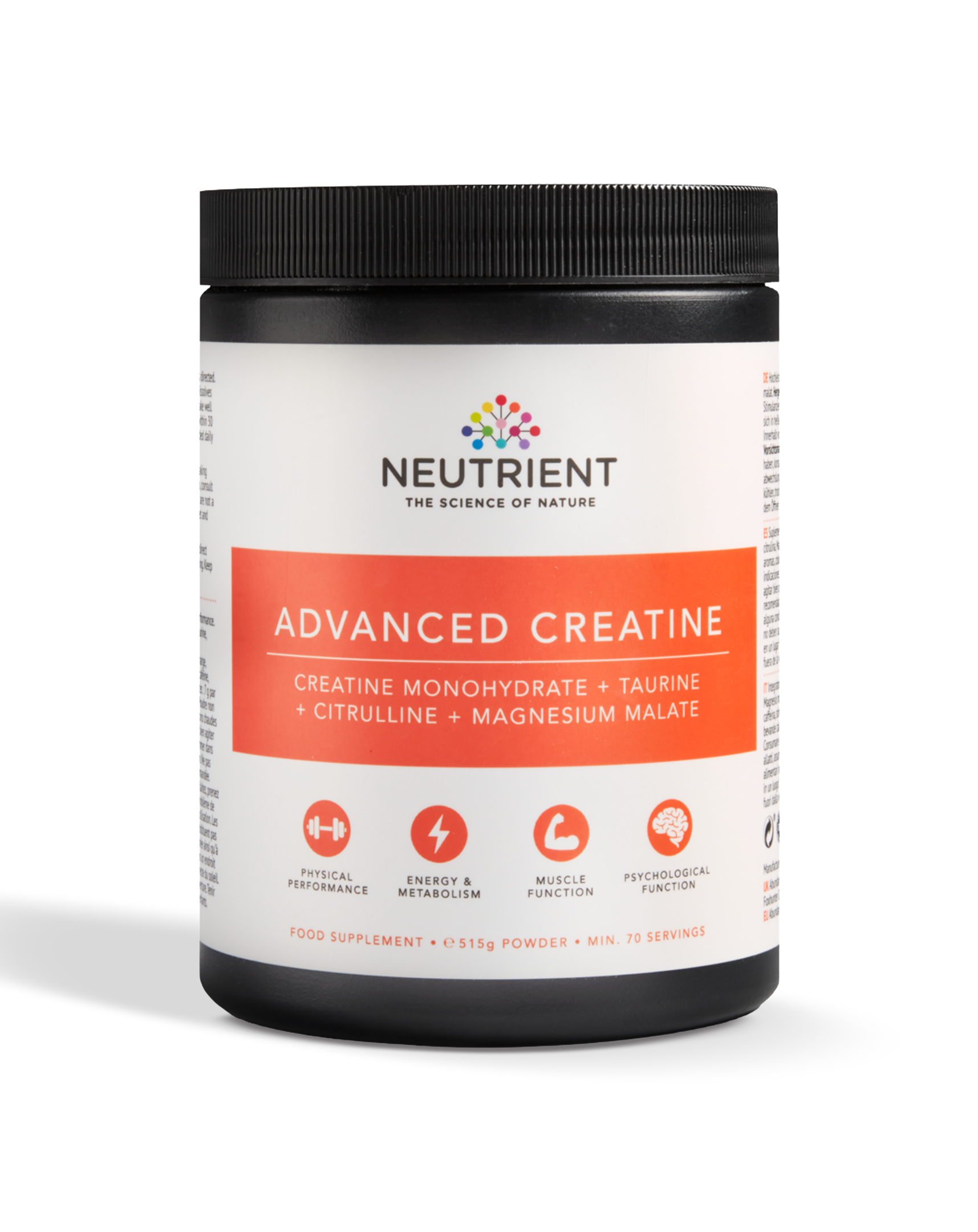
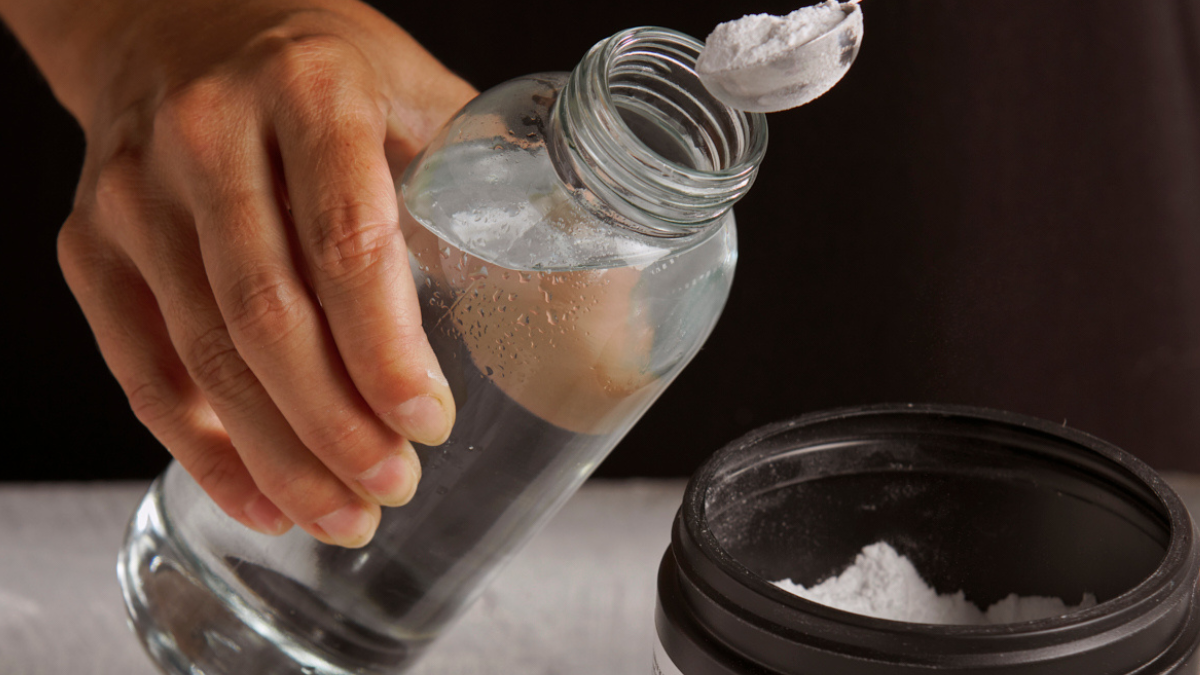
Neutrient Advanced Creatine provides creatine monohydrate alongside citrulline malate, taurine and magnesium malate.
Creatine monohydrate is the form with the largest body of research. Its role is particularly relevant to muscle, making it a useful addition to a lifestyle that includes regular resistance exercise.
That matters during menopause because maintaining muscle is about much more than appearance. Strong muscles help with everyday movement, physical independence and the ability to keep doing the things you enjoy.
Research in postmenopausal women has found that taking creatine alongside regular resistance training can help increase the gains in muscle strength achieved through training. These benefits have been seen with a daily intake of 3 g of creatine, taken consistently alongside resistance exercise.7
Two sides of the same healthspan
This is where collagen and creatine make an interesting pair.
Collagen is primarily about structure. Skin, connective tissue, tendons, ligaments and other tissues depend on collagen for their framework.
Creatine is primarily about function. Muscles and the brain need a steady supply of energy, and creatine is part of the system that helps provide it.
Of course, the body is not divided into two neat compartments. Structure and function constantly influence one another. Strong muscles place demands on tendons and connective tissue, while movement provides mechanical signals to bone and other tissues. Nutrition, sleep and physical activity all contribute to how well the body adapts and functions as you age.
Healthspan, not a fight against ageing
There is a temptation to describe menopause as something to overcome, or ageing as an opponent that needs to be defeated. But there is another way of looking at it.
Healthspan simply means the years of life spent in good health, with the ability to remain active, independent and engaged with the things that matter to you. It is different from lifespan, which is simply how long you live.
The aim then is not to remain exactly as you were at 25. Bodies change. Hormones change. Priorities change. What matters is supporting the capacity to remain strong, mobile and mentally engaged as those things happen.
That is the idea behind healthspan: not simply adding years to life, but supporting the years in which you can continue to move, think, work, travel, exercise, laugh with friends and pick up the shopping without wondering whether you should have brought a small crane.
Collagen and creatine have different roles within that bigger picture. One is closely associated with the body's structural framework, while the other is involved in an energy system important to muscle and brain. Two very different nutrients, but a shared idea: supporting the body that carries you through the next chapter.
Written by Jacqueline Newson BSc (Hons) Nutritional Therapy
References
- Calleja-Agius J, Brincat M. The effect of menopause on the skin and other connective tissues. Gynecological Endocrinology. 2012;28(4):273-277.
- Maltais ML, Desroches J, Dionne IJ. Changes in muscle mass and strength after menopause. Journal of Musculoskeletal and Neuronal Interactions. 2009;9(4):186-197.
- Bangle A, Williams D, Walters J, Nguyen L. Cognitive functioning in perimenopause: an updated systematic review and meta-analysis. Psychology and Aging. 2026;41(3):303-318.
- Pu SY, Huang YL, Pu CM, et al. Effects of oral collagen for skin anti-aging: a systematic review and meta-analysis. Nutrients. 2023;15(9):2080.
- Naddafha S, Antonio J, Kreider RB, Stout JR. Creatine monohydrate for lean mass, strength, and bone density in postmenopausal women: a systematic review and meta-analysis. Journal of the International Society of Sports Nutrition. 2026;23(1):2668435.
- Xu C, Bi S, Zhang W, Luo L. The effects of creatine supplementation on cognitive function in adults: a systematic review and meta-analysis. Frontiers in Nutrition. 2024;11:1424972.