









Could Low Brain Energy Be Behind Brain Fog? Nutrients That May Help
Struggling to concentrate, losing your train of thought mid-sentence, or feeling like your brain is covered in a blanket of glue by mid-afternoon? You're not imagining it, and you're far from alone. Brain fog is used to describe a range of symptoms that affect mental clarity and sharpness, and has become one of the most commonly reported wellbeing complaints. While it isn't a medical diagnosis in itself, it's usually a sign that something in the body needs attention.
In many cases, brain fog isn't something you simply have to put up with. Many of the underlying factors can be addressed through nutrition and lifestyle. Below, we look at what's really going on in a foggy brain and the nutrients that may help clear it.
 What's Actually Happening When Your Brain Feels Foggy?
Your brain is a demanding organ. Despite making up only around 2% of your body weight, it uses roughly 20% of your daily energy.1 That energy usually comes from glucose, but as we get older, or for those with insulin resistance, brain cells can become less efficient at taking up glucose from the blood. The result is a kind of energy shortfall at a cellular level.
When brain cells don’t get enough energy, they can't fire signals or repair themselves as efficiently as they should. This is thought to be one of the mechanisms behind poor concentration, forgetfulness, and that unmistakable foggy feeling, along with sugar cravings, as your brain hunts for a fast source of fuel.
Interestingly, while the brain's ability to use glucose may decline, its ability to use ketones, an alternative fuel source, appears to remain largely intact.1 This has led researchers to explore whether increasing ketone availability could help support brain energy and cognitive function.
 Giving Your Brain an Alternative Fuel Source
Ketones are produced by the liver, and while the body can make them by significantly reducing carbohydrate intake, there's a far simpler route that doesn't require drastic dietary changes. This is where C8 medium-chain triglycerides (MCTs) come in, offering a simpler way to raise ketone levels.
Why C8 MCTs are attracting attention
Unlike longer-chain fatty acids, medium-chain triglycerides, or MCTs, are rapidly absorbed and transported directly to the liver to be converted into ketones. Coconut oil contains some MCTs, but research has shown that almost all of the resulting ketone production comes from one specific fraction: C8, also known as caprylic acid.
Work carried out at Sherbrooke University by Dr Mélanie Fortier and Professor Stephen Cunnane has been central to this area of research.1 In trials involving people with mild cognitive impairment or Alzheimer's disease, those given C8 oil saw a 230% rise in the amount of brain energy coming from ketones, alongside measurable improvements in memory, language, and overall cognitive performance. 1
"People with cognitive decline have an energy gap," explains Professor Cunnane.
"Probably due to insulin resistance, they are not able to make use of glucose. Providing a food source, C8 oil, from which the body can readily make ketones, fills that energy gap. Brain cells come back to life, and memory and brain function improve as a result."
In Professor Cunnane's study, participants took around 30g of predominantly C8 oil daily, roughly two tablespoons.2 This is where a dedicated C8 source becomes practical: coconut oil alone contains only a small percentage of C8, so getting a meaningful daily amount from coconut oil in cooking isn't realistic for most people.
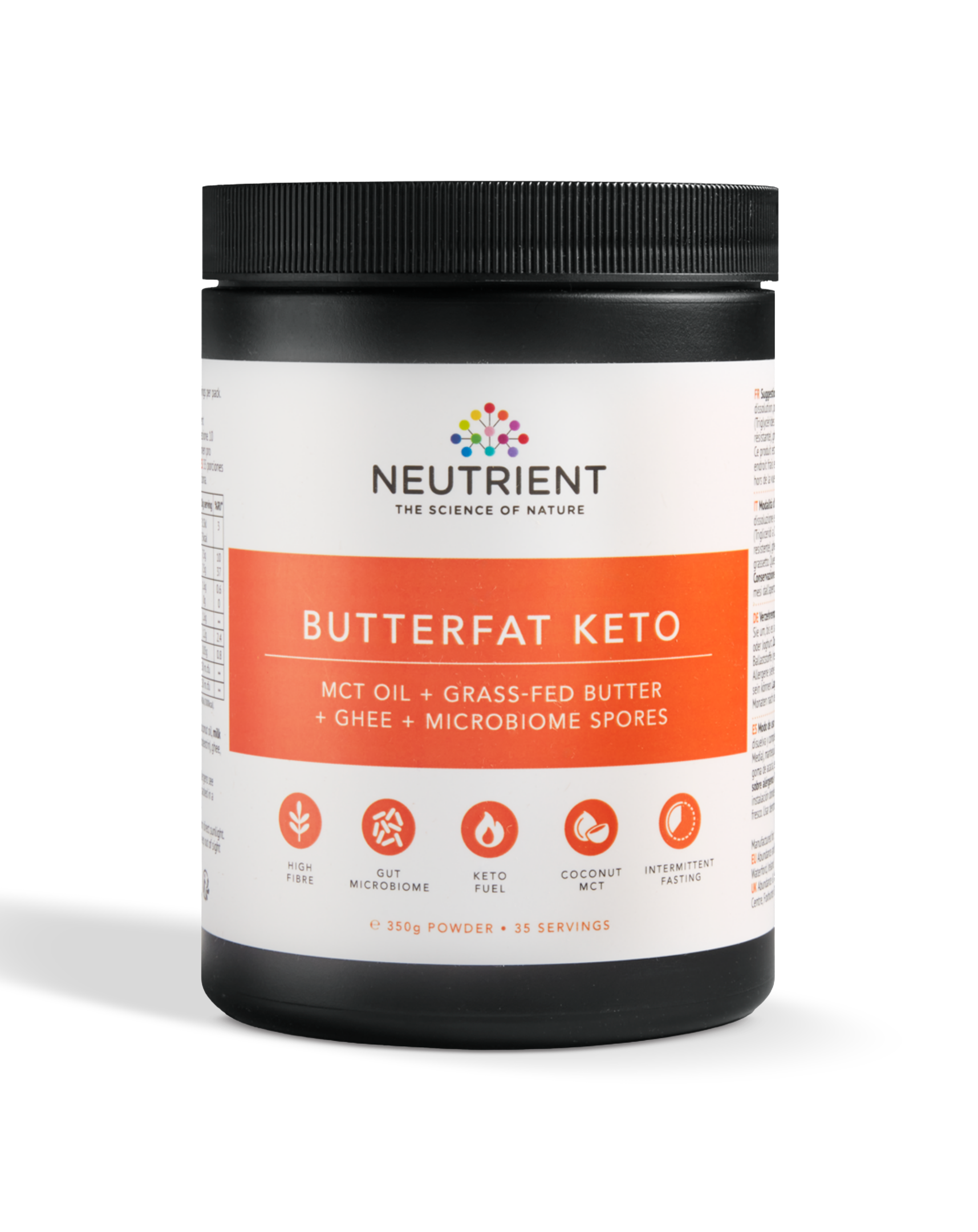
Neutrient's ButterFat Keto provides predominantly C8 MCTs in a convenient powdered form, offering a simple way to include this fat in your day without needing to overhaul your entire diet. Because the key component is still C8, it can be a practical alternative to oil for those who prefer a powder they can stir into coffee, smoothies or porridge.
If you’re new to C8, start gently. A teaspoon once or twice a day is plenty to begin with, building up gradually over a week or two as your digestion adjusts. Many people find it easiest stirred into their morning coffee.
Omega-3 DHA: Why Food Sources Matter So Much
Ketones are not the only piece of the puzzle. When it comes to brain health, omega-3 fatty acids, particularly DHA (docosahexaenoic acid) and EPA (eicosapentaenoic acid), also deserve attention. DHA is a major structural component of the brain, while both DHA and EPA play important roles in maintaining normal brain function throughout life.5
Brain cells rely on a steady supply of omega-3 DHA to help keep their membranes flexible and support communication between neurons. In one notable study, people with mild cognitive impairment were given folic acid, DHA, or both together for a year.3 Those taking the combination saw the greatest improvements, including significant gains across full, verbal and performance IQ.
Although research investigating cognitive health has often used around 800 mg of DHA per day, that does not mean food sources are unhelpful. In fact, regularly including oily fish can provide useful amounts of DHA and EPA without the need for supplementation.3
The richest dietary sources are oily fish such as salmon, mackerel, anchovies, sardines and herring. To reach around 800 mg of DHA, you would typically need to eat approximately:
· 100 to 120 g of salmon.
· 120 to 150 g of mackerel.
· Around 150 g of sardines or herring.
Plant sources such as walnuts, chia seeds and flaxseeds contain ALA, a different type of omega-3 that the body can convert into DHA. However, this conversion is limited, often to less than 10%, so while these foods contribute to overall omega-3 intake, they cannot be relied on as the main source of DHA.5
Including oily fish two or three times a week, alongside nuts and seeds, is a practical way to support omega-3 intake through food and provides a range of other nutrients that support overall health.
 B Vitamins: Small Nutrients with Big Responsibilities
B vitamins are essential for converting the food you eat into usable energy, making them particularly important for an organ as energy-hungry as the brain. They also help regulate homocysteine, an amino acid that the body normally recycles using folate, vitamin B12 and vitamin B6. When levels of these nutrients are low, homocysteine can build up, and higher levels have been linked with poorer cognitive health.3,4 Folate is found naturally in green leafy vegetables, but consistently achieving optimal intakes through diet alone can be challenging, particularly for people with higher requirements or reduced absorption.
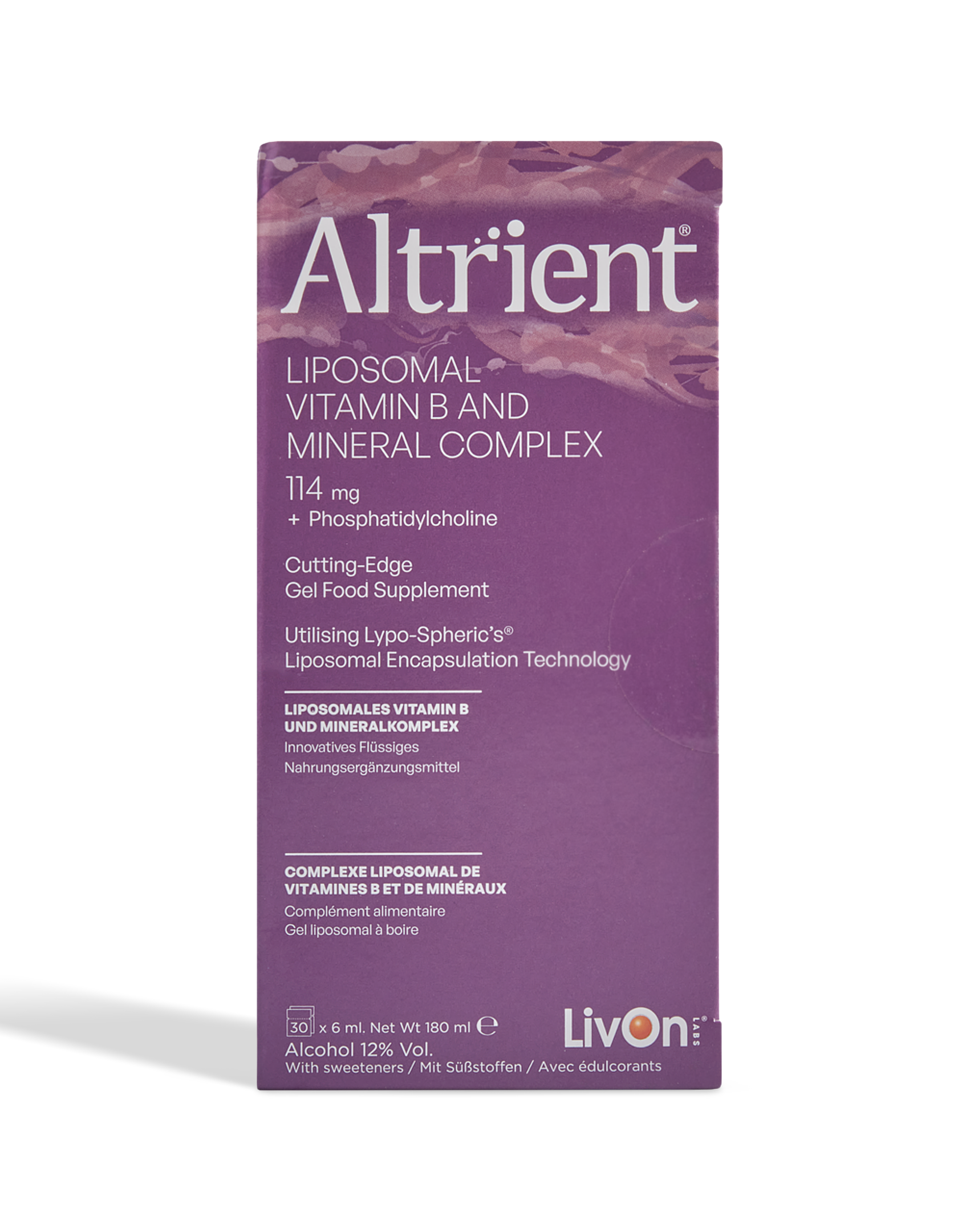
For a convenient way to support your B vitamin intake, Altrient B provides a full complex of B vitamins, including B12, B6 and folate, in one daily dose. If you're looking for broader nutritional support, Neutrient Multi + combines active B vitamins with additional nutrients including magnesium, zinc, iodine, selenium and PQQ, all of which play important roles in energy metabolism, normal cognitive function or the protection of cells from oxidative stress.
 Vitamin D: Supporting More Than Bones
Vitamin D is widely known for its role in bone health, but its functions extend well beyond this. Vitamin D receptors are distributed throughout the brain, and adequate status is increasingly recognised as important for overall health.6
It also contributes to neurotransmission and helps regulate neuroinflammatory processes. Consistent with this, low vitamin D status has been associated with poorer mood and cognitive performance in a number of studies.6 Deficiency is common, particularly in the UK, where sunlight exposure is limited for much of the year, making it worthwhile to check levels if brain fog is a persistent concern.
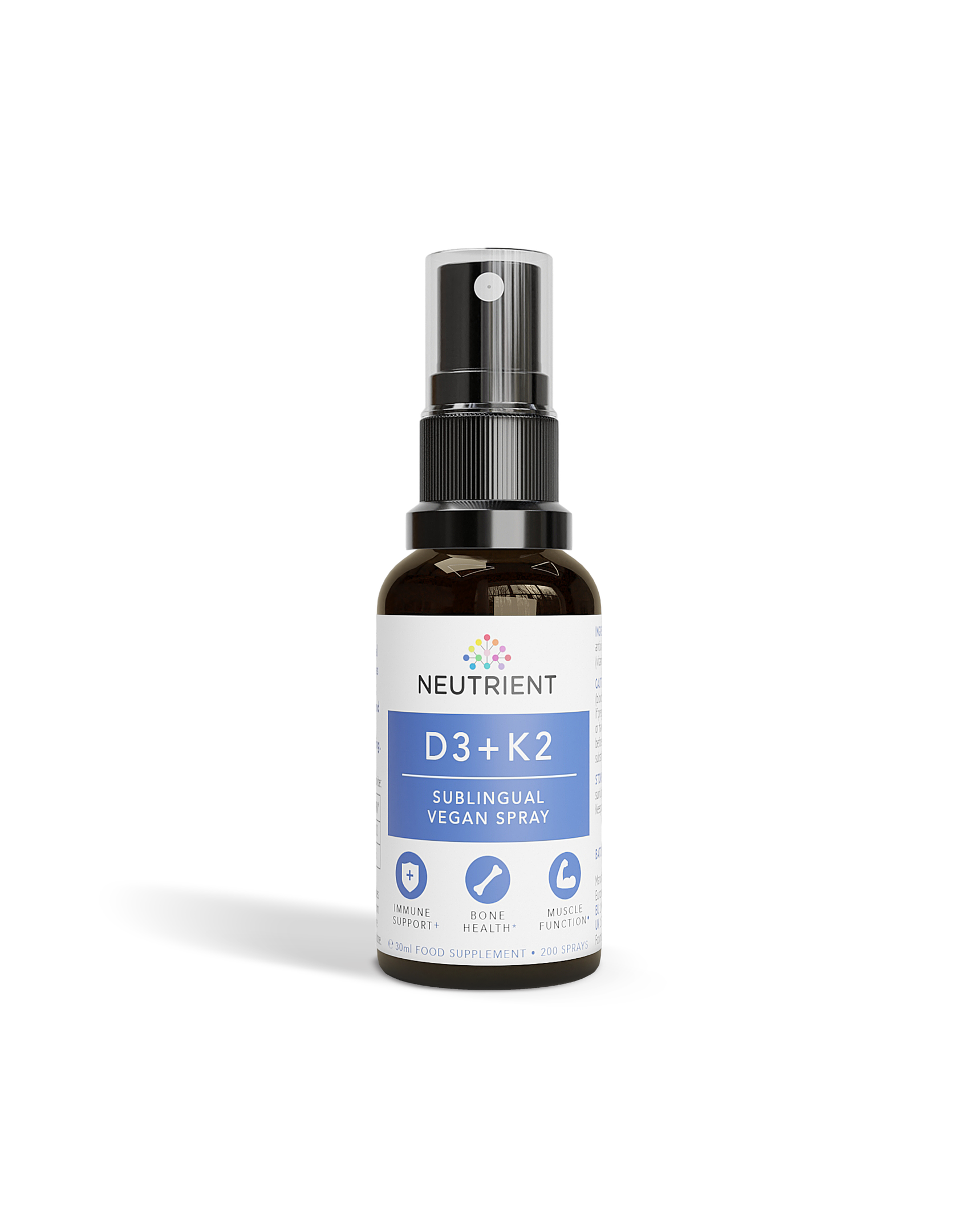
Vitamin K2 works synergistically with vitamin D to support normal calcium metabolism and bone health. Neutrient's D3+K2 combines both nutrients in a single daily supplement, providing a convenient way to support intake year-round, especially during periods of low sunlight exposure.
Sleep: When the Brain Does Its Housekeeping
It's tempting to think of sleep purely as rest, but for the brain, it's an active maintenance window. During deep sleep, blood flow and cerebrospinal fluid circulation increase, helping clear away metabolic waste products, including amyloid proteins associated with Alzheimer's disease, that build up during waking hours.7
Even one poor night's sleep can affect attention, memory and decision-making, while consistently good sleep helps you wake feeling more alert and able to concentrate. If you regularly wake feeling unrested or find yourself relying on caffeine to function, improving sleep quality may do more for your mental clarity than almost any other single change.
Everyday Habits That Support a Sharper Mind
|
Where to begin - Prioritise oily fish. Aim for at least two portions a week, and remember that walnuts or chia alone are unlikely to match this if cognitive support is your main goal. - Protect your sleep. Consistent bed and wake times make a bigger difference than most people expect. - Stay active. Regular physical activity increases blood flow to the brain and supports many of the processes involved in learning and memory. You don't need to spend hours in the gym. A brisk daily walk, cycling, swimming or strength training can all make a meaningful difference over time. - Keep blood sugar on an even keel. Large swings in blood sugar can leave you feeling energetic one minute and mentally drained the next. Building meals around protein, healthy fats, fibre-rich vegetables and slower-releasing carbohydrates can help provide a steadier supply of energy throughout the day. - Don't forget the basics. It's easy to look for complex solutions, but dehydration, skipping meals and prolonged periods of stress can all affect concentration. Sometimes, returning to the fundamentals of good nutrition, regular movement and adequate sleep is enough to notice an improvement. |
Supporting your brain health
If you're looking to support your diet with targeted nutrition, consider:Neutrient ButterFat Keto for a convenient source of predominantly C8 MCTs. Introduce gradually, starting with a teaspoon once or twice daily, stirred into coffee or a smoothie, building up over a week or two.
-
Neutrient Vitamin D3 + K2 to help maintain healthy vitamin D levels throughout the year, particularly during the autumn and winter months.
-
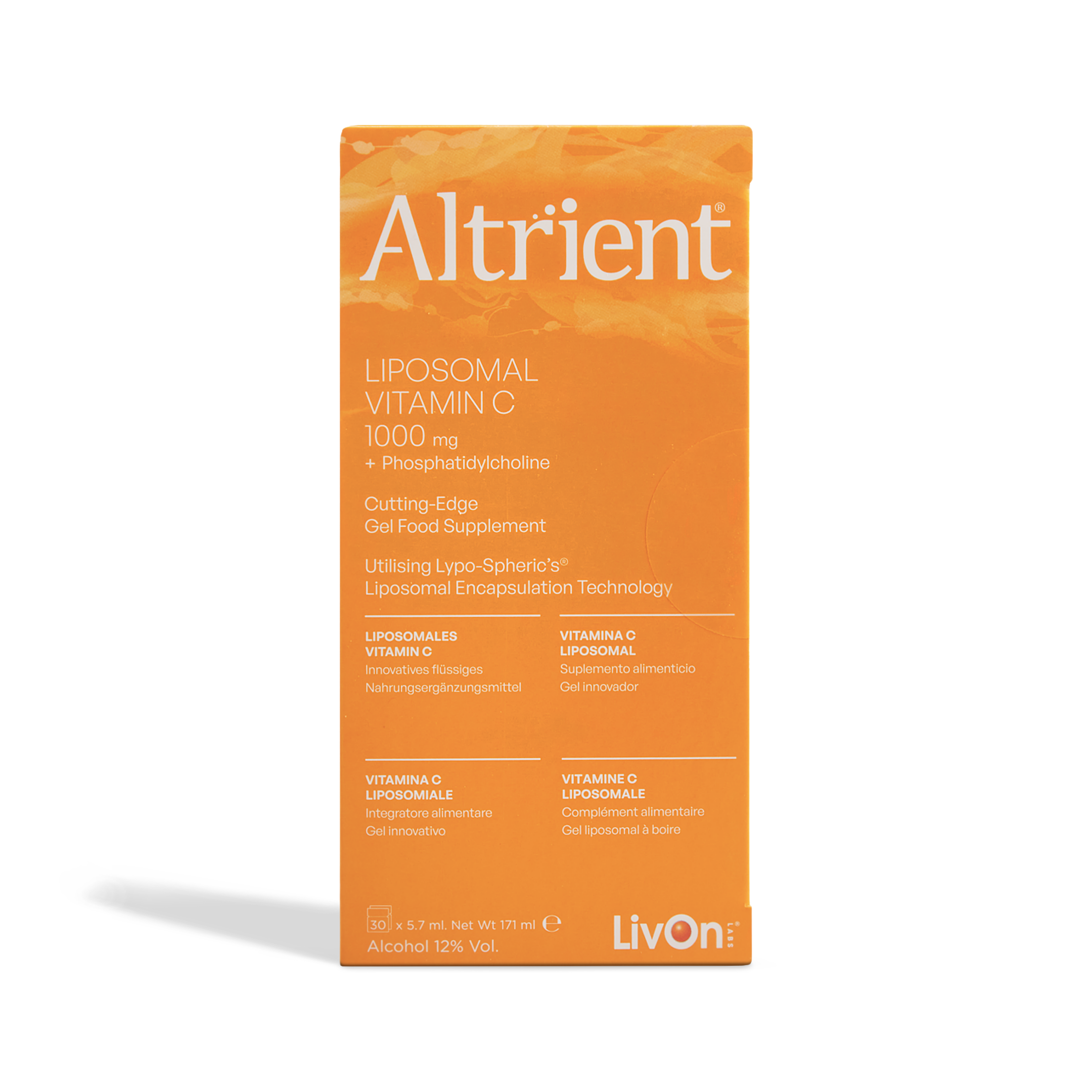
Altrient Liposomal Vitamin B Complex to provide all eight essential B vitamins, including the active forms of folate and vitamin B12, which contribute to normal energy metabolism, normal psychological function and the reduction of tiredness and fatigue.
-
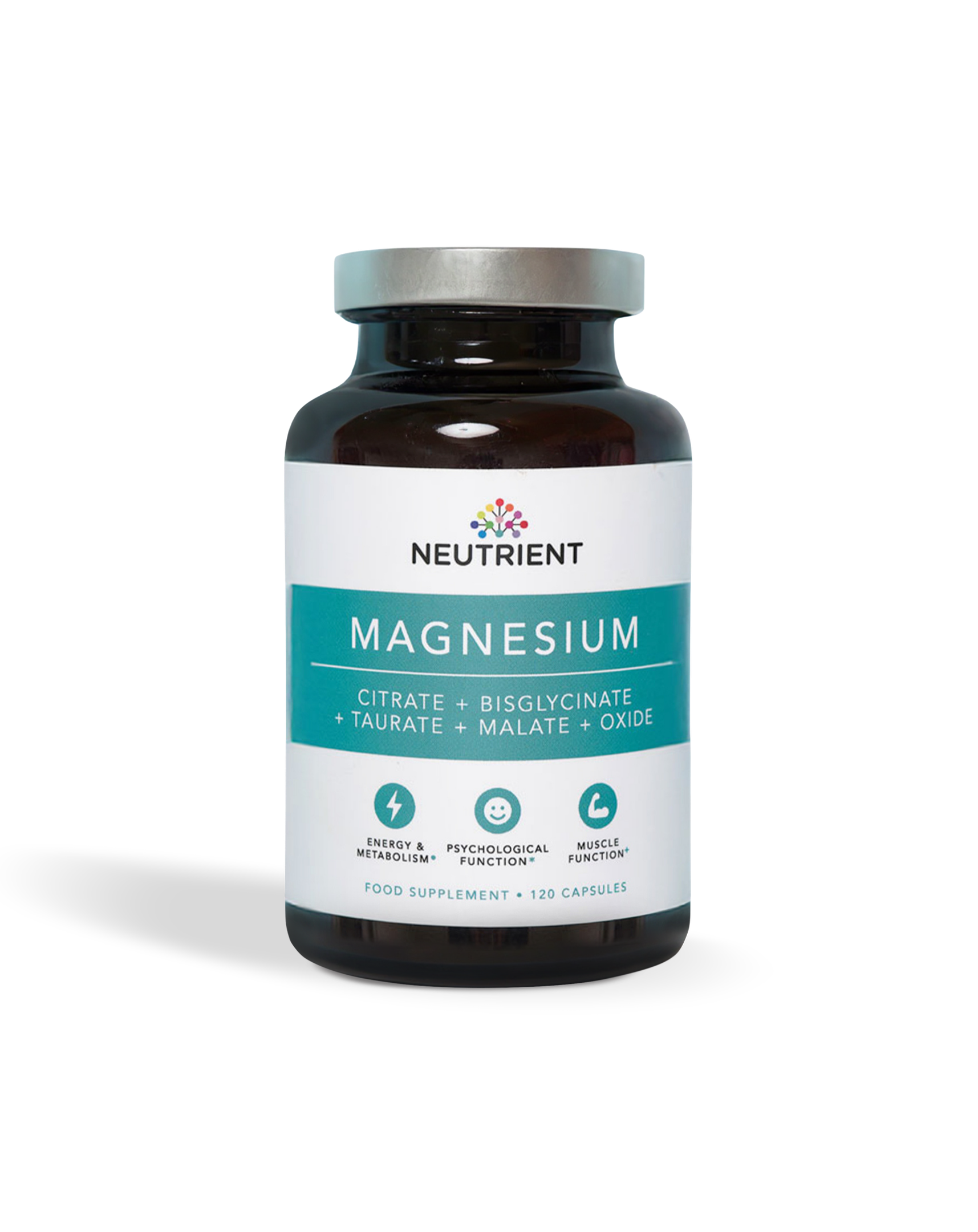
Neutrient Multi+ for broader nutritional support, including energy, cell protection and B-vitamin-related brain health benefits.
Brain fog isn't something you should simply accept as part of modern life. More often than not, it's a combination of low brain energy, inconsistent blood sugar, nutrient shortfalls, and disrupted sleep, all layered on top of each other. It's often your body's way of telling you that something needs attention.
There isn't a single solution that works for everyone, but supporting your brain with the right nutrition, giving it a reliable source of energy and building healthy daily habits can make a real difference over time. Small, consistent changes are often the ones that have the greatest impact on how clearly you think, how well you concentrate and how you feel from one day to the next.
Written by: Jacqueline Newson BSc (Hons) Nutritional Therapy
References
1. Croteau E, Castellano CA, Richard MA, et al. Ketogenic Medium Chain Triglycerides Increase Brain Energy Metabolism in Alzheimer's Disease. J Alzheimers Dis. 2018;64(2):551-561.
2. Danan A, Westman EC, Saslow LR, Ede G. The Ketogenic Diet for Refractory Mental Illness: A Retrospective Analysis of 31 Inpatients. Front Psychiatry. 2022.
3. Li M, et al. Cognitive Benefits of Folic Acid, Docosahexaenoic Acid, and a Combination of Both Nutrients in Mild Cognitive Impairment. Gerontology. 2024.
4. Kennedy DO. B Vitamins and the Brain: Mechanisms, Dose and Efficacy. Nutrients. 2016;8:68.
5. Swanson D, Block R, Mousa SA. Omega-3 Fatty Acids EPA and DHA: Health Benefits Throughout Life. Adv Nutr. 2012;3(1):1-7.
6. Holick MF. Vitamin D Deficiency. N Engl J Med. 2007;357:266-281. (or a more recent review if you prefer)
7. Gómez-Pinilla F. Brain Foods: The Effects of Nutrients on Brain Function. Nat Rev Neurosci. 2008.
```
Leggi di più

In the world of nutrition, ‘B-complex’ is a household name, yet not many people understand the specific differences between its components, such as B6 and B12. Determining which ones you genuinely...

GLP-1 medications have transformed the way we think about obesity. They have highlighted that rather than being purely a matter of self-control or willpower, appetite, hunger and fullness are stron...